Ashwagandha Root
A traditional adaptogenic herb used for centuries. Often included in wellness routines as a way to support the body’s natural response to everyday stress.
AdaptogenDiscover how nutrient-dense superfoods and carefully sourced plant extracts can support your daily tone and contribute to overall well-being.

Superfoods are whole foods and plant extracts that are especially rich in vitamins, minerals, and antioxidants. They come from diverse ecosystems around the world.
Modern nutritional science continues to study the properties of these foods, providing a growing body of knowledge about their composition and potential contributions to a balanced diet.
Incorporating superfoods into daily meals is one of many ways to support general well-being, alongside regular physical activity, adequate sleep, and a varied diet.
A selection of well-known plant extracts commonly associated with supporting daily energy levels and overall tone.
A traditional adaptogenic herb used for centuries. Often included in wellness routines as a way to support the body’s natural response to everyday stress.
AdaptogenA blue-green algae rich in protein, B-vitamins, and iron. Commonly used in smoothies and supplements as part of a nutrient-diverse diet.
MicroalgaeContains curcumin, a well-studied compound. Turmeric has been part of culinary and wellness traditions across many cultures for thousands of years.
Spice ExtractA finely ground green tea rich in catechins and L-theanine. Traditionally consumed in East Asia, it may contribute to a calm yet focused state of mind.
Tea ExtractGrown in the high Andes of Peru, maca is a cruciferous vegetable traditionally valued for its nutritional profile including vitamins, minerals, and fibre.
Root VegetableA widely used culinary spice with a long history in traditional wellness practices. Ginger is known for its distinctive flavour and warming properties.
Root ExtractSuperfoods and plant extracts are not a replacement for a balanced diet, but they can be a valuable addition to your daily nutrition. Here are some of the reasons people include them in their routines.
Nutrient-rich foods may contribute to sustained energy levels throughout the day as part of a balanced diet.
Many superfoods contain antioxidants, compounds that are widely studied for their role in supporting cellular health.
Adding plant extracts to meals can increase the variety of vitamins and minerals in your overall diet.
Certain plant compounds, like L-theanine in green tea, are studied for their potential role in supporting cognitive function.
Adaptogenic herbs have a long tradition of use in various cultures as part of routines aimed at supporting the body’s response to stress.
Superfoods often provide a concentrated source of essential micronutrients per serving compared to many common foods.
Start your day by adding a teaspoon of spirulina or matcha to your morning smoothie or warm drink. A small addition that diversifies your nutrient intake.
Include turmeric or ginger in your lunch preparation. These spices not only add flavour but also contribute a range of bioactive compounds to your meal.
Consider an ashwagandha-infused warm drink in the evening. Many people include adaptogens in their nighttime routine as part of winding down after a busy day.
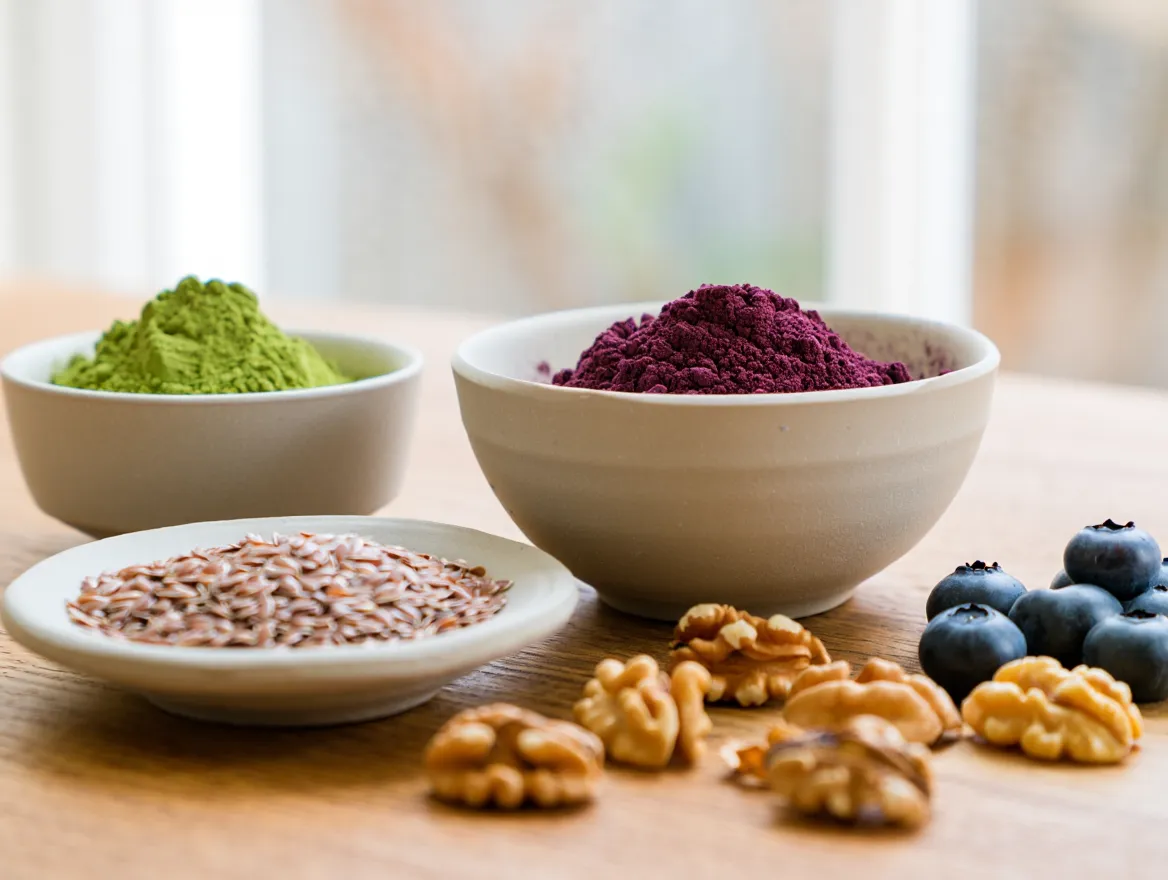
Over the past decade, interest in plant-based nutrition has grown significantly. Research institutions worldwide continue to study how traditional foods and extracts may fit into modern dietary patterns.
From ancient Ayurvedic practices to contemporary nutritional science, the exploration of plant compounds remains a dynamic and evolving field. Including a variety of these foods is one approach to broadening your dietary profile.
Plant extracts contain numerous bioactive compounds that researchers continue to study for their nutritional relevance and composition.
A wide body of peer-reviewed literature explores the nutritional composition and properties of popular superfoods and botanical extracts.
Superfoods are grown in diverse climates and regions; local growing conditions can influence nutrient profiles.
Summaries on this page are for general context only. They are not a substitute for professional advice and do not guarantee specific outcomes.
Personal experiences shared by members of our community. Individual results and experiences may vary.
“I started adding matcha to my morning routine about six months ago. I enjoy the taste and the ritual of preparing it. It’s become a pleasant part of my day.”
“I’ve been interested in plant nutrition for years. Incorporating turmeric and ginger into my cooking has added variety to my meals and broadened the flavours I enjoy.”
“As someone who enjoys learning about nutrition, I appreciate the information shared here. It’s refreshing to find content that’s informative without being pushy.”
Superfoods is a popular term used to describe foods that are especially rich in nutrients such as vitamins, minerals, antioxidants, and other bioactive compounds. While not a formal scientific classification, the term generally refers to whole foods and plant extracts with a notably dense nutritional profile.
No. Superfoods are best viewed as a complement to a varied and balanced diet, not a substitute. A healthy lifestyle includes diverse nutrition, regular physical activity, adequate hydration, and sufficient rest. No single food can provide all the nutrients your body needs.
While many plant extracts have a long history of culinary and traditional use, individual responses can vary. If you have specific dietary concerns, allergies, or are taking medication, it is advisable to consult a qualified healthcare professional before making significant changes to your diet.
A gradual approach is generally recommended. Begin by adding one or two superfoods to meals you already enjoy — for example, adding spirulina to a smoothie or using turmeric in cooking. Over time, you can explore other options based on your preferences and nutritional goals.
No. This website provides general lifestyle information only and does not constitute professional or medical advice. Always consult a qualified healthcare provider for any health-related questions or before making changes to your diet or wellness routine.

Explore our resources, learn about different superfoods, and find simple ways to incorporate them into your daily life. Knowledge is the first step toward mindful nutrition.
Get in TouchHave a question or want to share your experience? We would love to hear from you. Fill out the form and we will get back to you as soon as possible.
Disclaimer: This website provides only general lifestyle and educational information. It does not sell products or services, does not constitute professional or medical advice, diagnosis, or treatment, and does not replace advice from a registered health practitioner. Individual results may vary. Always consult a qualified healthcare provider for health-related questions.